
The role of sodium-ion technology in India's energy future
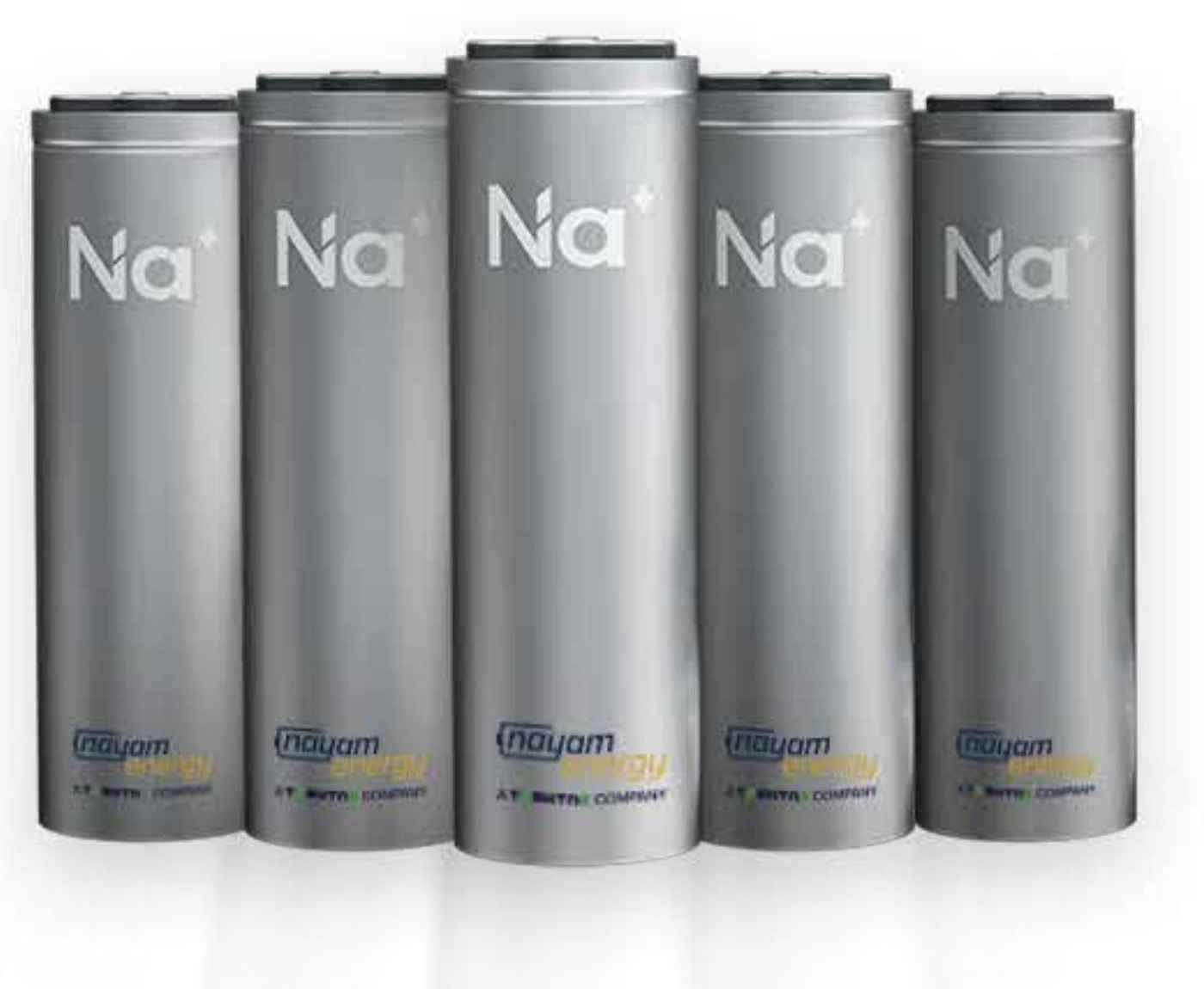
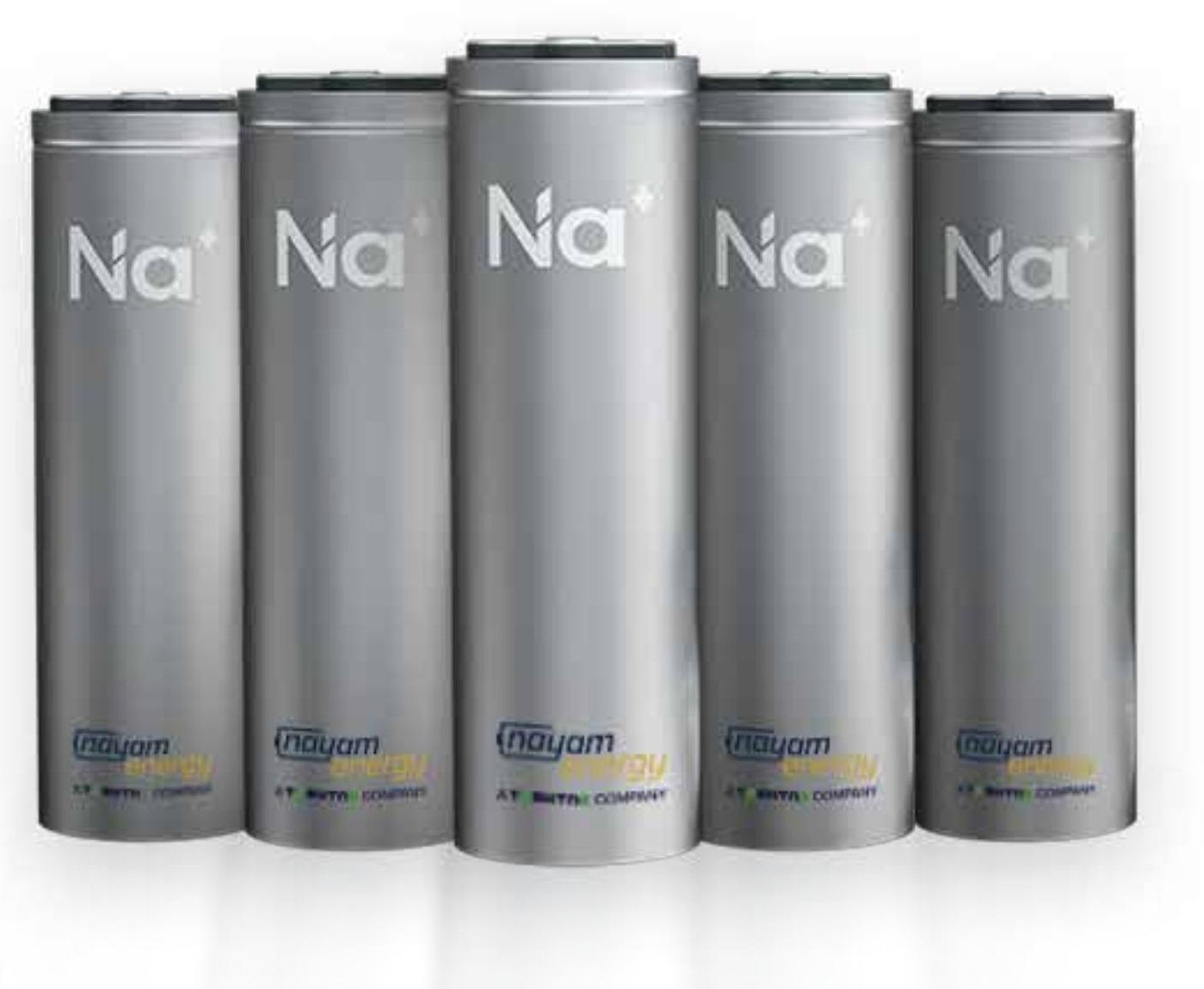
The global battery landscape is entering a structural transition. Rising lithium costs, increasing safety requirements, and accelerating charging infrastructure are reshaping energy storage. The market increasingly needs a chemistry optimized for frequent cycling, heat, fast charging, and partial-state-of-charge operation. Sodium-ion is that chemistry.
Built for real-world abuse
Sodium-ion delivers around 90 to 100 percent usable capacity, high cycle durability at full depth of discharge, charge times of roughly 0.3 to 1.5 hours, and discharge operation from -30 to +60 degrees Celsius. It tolerates storage at zero volts and requires no regular state-of-charge maintenance in storage, unlike lead-acid and lithium-ion systems.
Three times the service life, and more
In conventional starter battery duty, sodium-ion is projected to deliver 6 to 12 years of typical service life, three times the flooded lead-acid baseline. Under mild-hybrid microcycling, the lifetime multiplier reaches five. The economics improve not merely through cycle life, but through operational survivability in harsh conditions, which is what radically lowers total cost of ownership. These lifetime figures are projected, early-field estimates.
One chemistry, many platforms
The same cell technology powers automotive start-stop batteries, 48V telecom rack systems with a 15-year design life, UPS supplies that store for up to 18 months without refresh charge, electric forklifts with 6C high-rate discharge, and golf carts with 2C fast charging.
Built for Indian summers, unstable grids, and demanding mobility environments: that is the role sodium-ion will play in the energy future.