


80 MWh / 40 MW Energy Storage System
Liquid cooling with 0.5C continuous charge/discharge.
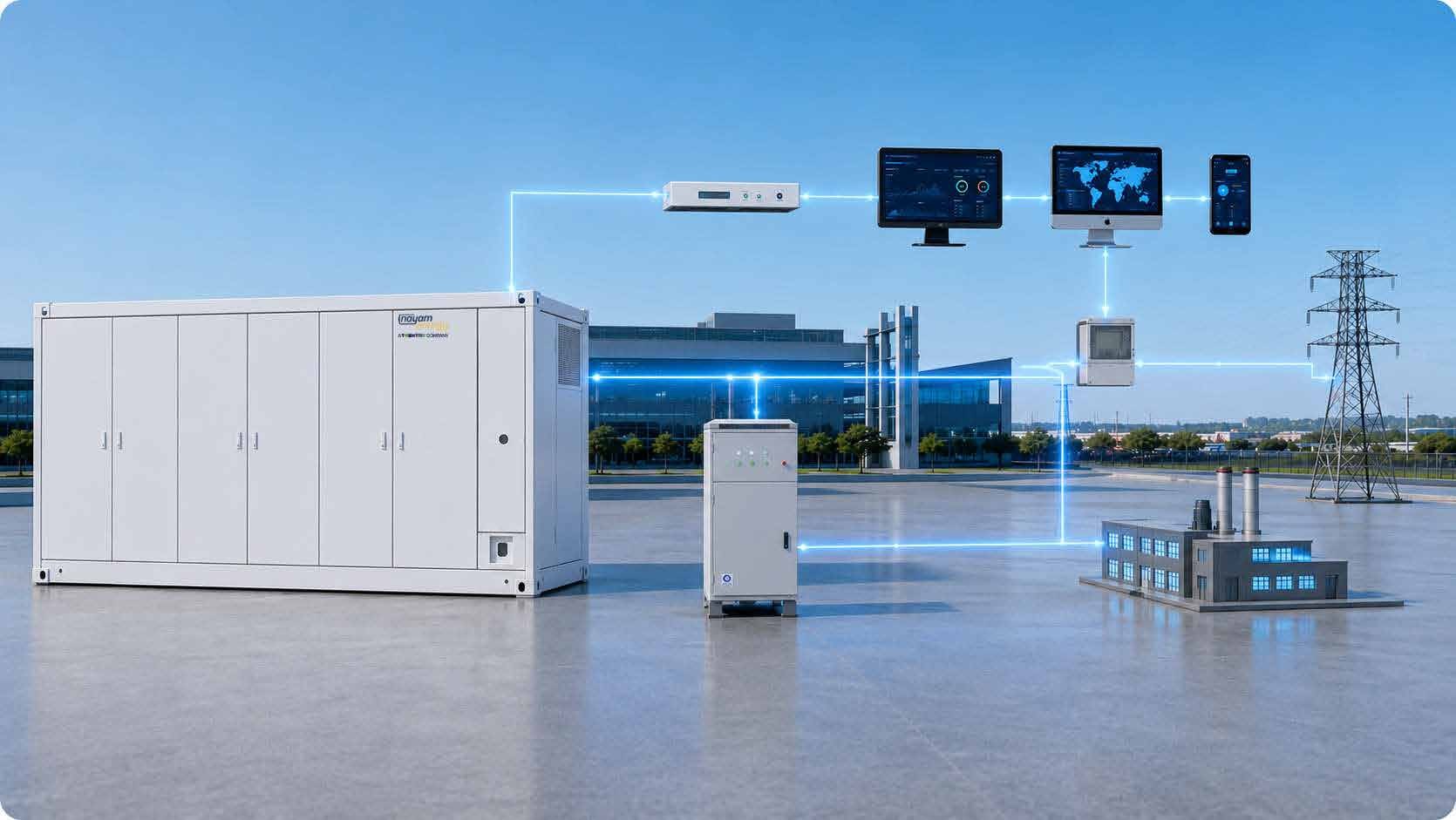
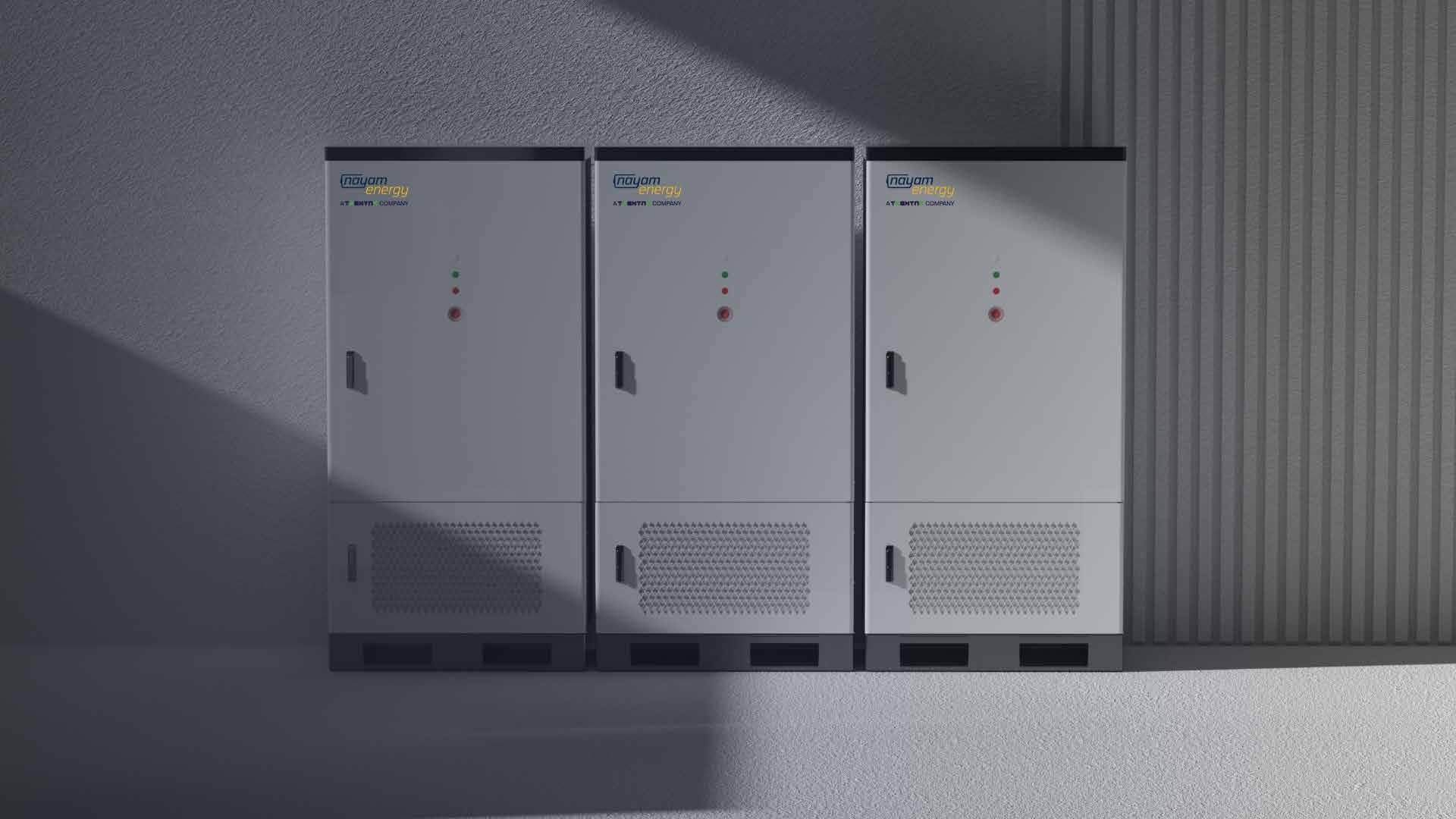
Our containerized storage solutions integrate modular architecture, advanced power conversion, and unified control to deliver reliability across industrial, grid, and infrastructure applications.
Industrial operations are increasingly dependent on stable, intelligent, and flexible energy systems. At the same time, operators are facing:
Exposure to peak-demand pricing drives up operating expenses
Strained networks limit reliable supply where demand grows fastest
Outages and voltage fluctuations directly impact productivity
Increasing pressure to improve sustainability performance
The case for energy storage
Energy storage has shifted from optional to critical infrastructure. Six reasons commercial and industrial operators are deploying BESS today.
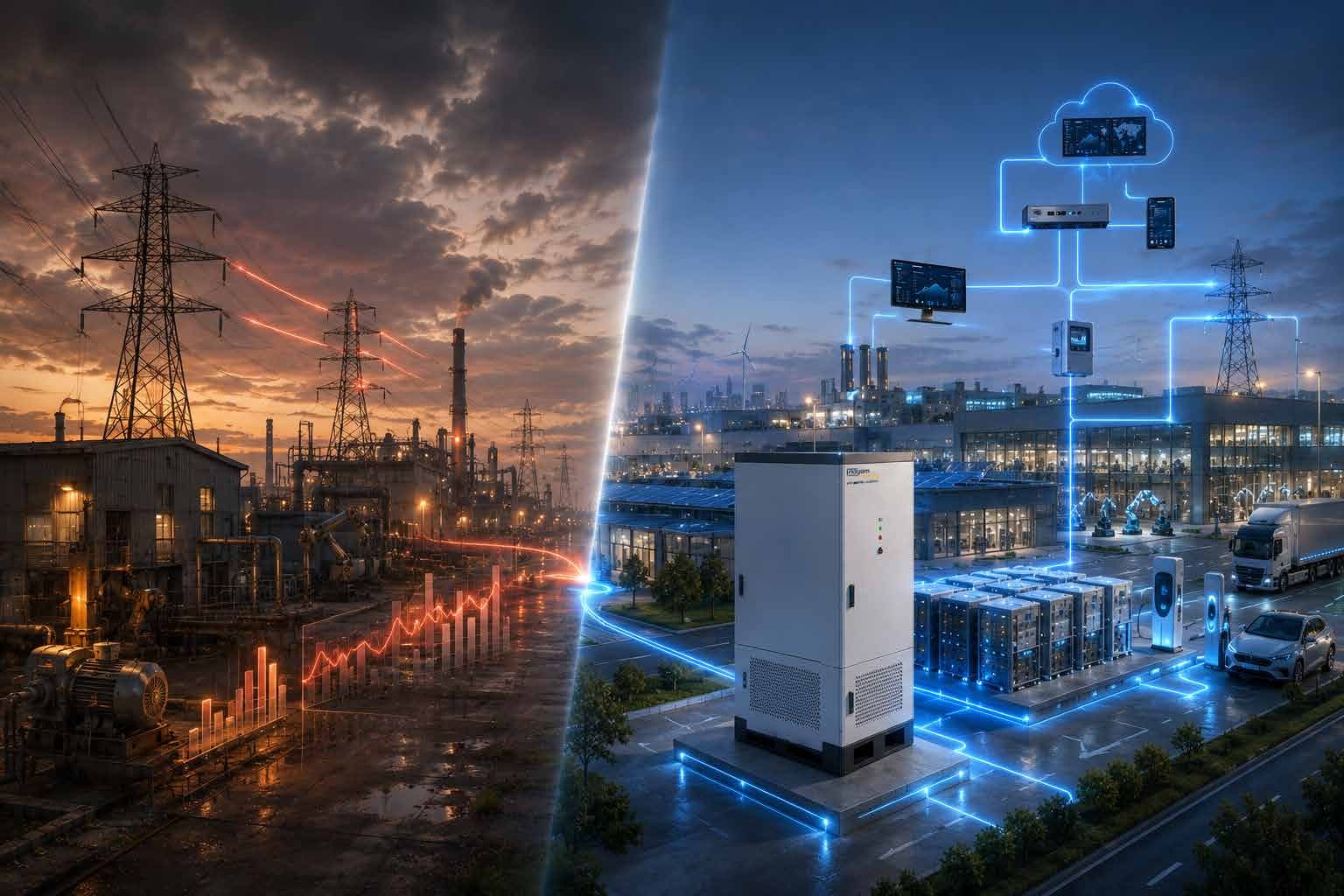
Reduce exposure to peak-demand pricing and improve energy utilization efficiency across operating cycles.
Support stable operations during outages, voltage fluctuations, and power quality disturbances.
Lower generator runtime, fuel usage, maintenance requirements, and associated emissions.
Improve utilization of solar and hybrid energy assets through intelligent storage and dispatch systems.
Maintain uptime across facilities where interruptions directly impact productivity and performance.
Prepare facilities for increasing electrification, digitalization, and evolving industrial energy requirements.
Mission
Commercial & Industrial
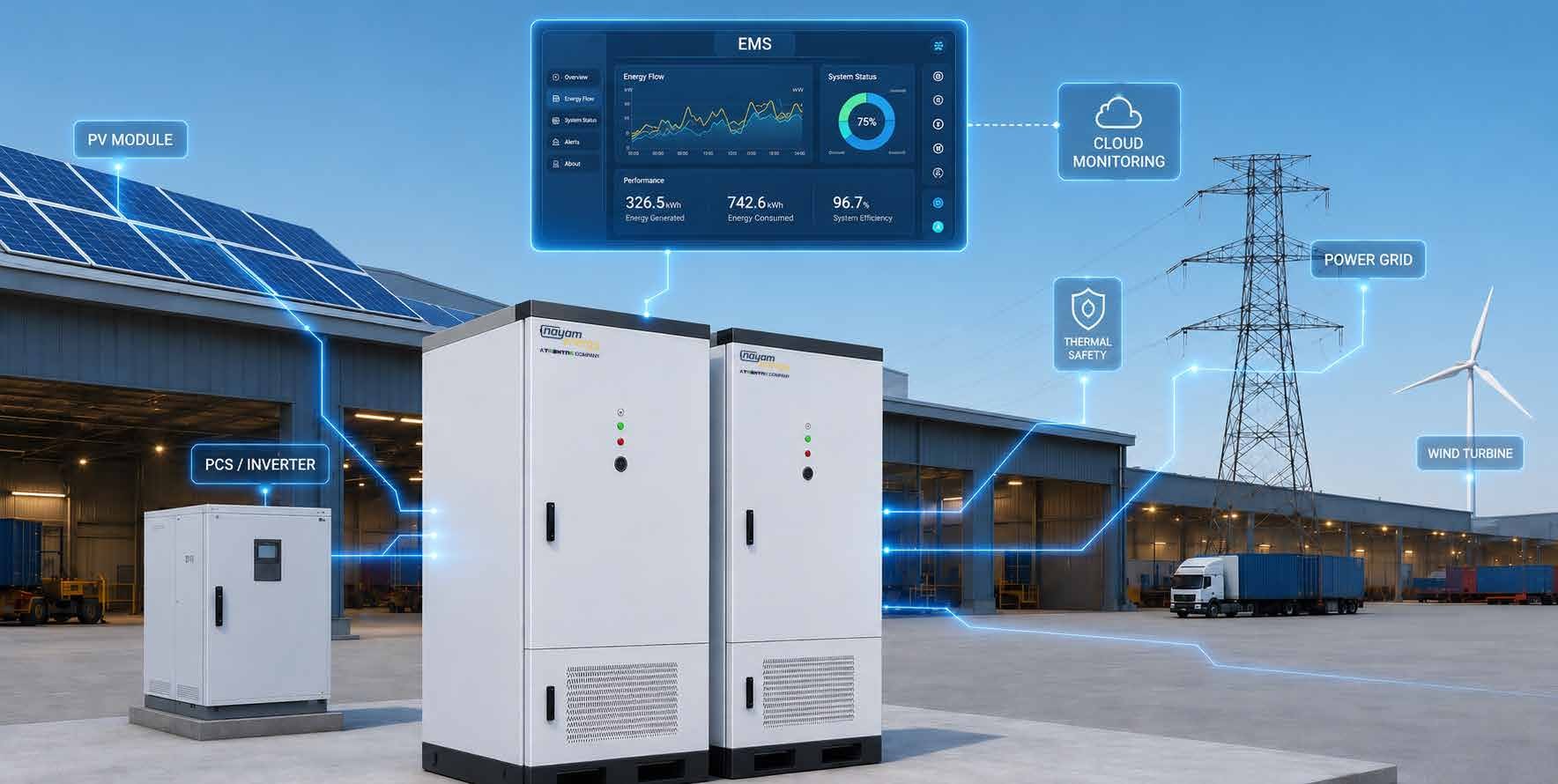
We deliver fully integrated energy storage solutions combining advanced battery systems, intelligent Energy Management Systems (EMS), PCS/inverter integration, thermal and safety management, remote monitoring and analytics, renewable and generator synchronization, and grid-interactive controls.
Integrated BESS platforms help businesses manage peak demand, improve energy reliability, integrate renewable generation, reduce generator dependency, and improve operational continuity.
Technical Parameters
Flexible storage durations from 1-hour to 4-hour applications and zero thermal propagation design.
| Parameter | CE SS01 | 261L-CE | 522/1044L-CE |
|---|---|---|---|
| Rated Energy | 105 kWh | 261 kWh | 522-1044 kWh |
| Battery Cell | LFP-314 Ah | LFP-314 Ah | LFP-314 Ah |
| System Architecture (example) | 1P104S | 1P260S | 2P260S / 4P260S |
| Nominal DC Voltage | 332.8 V | 832 V | 832 V |
| Voltage Range | 260-379.6 V | 728-936 V | 728-936 V |
| Cycle Life | 5,500 | 8,500 | 8,500 |
| Continuous Charge/Discharge | 1C/1C | 0.5C/0.5C | 0.5C/0.5C |
| Cooling Method | Liquid (pack), air (PCS) | Liquid (pack), air (PCS) | Liquid (pack), air (PCS) |
| IP Rating | IP54 | Pack IP65, Container IP54 | Pack IP65, Container IP54 |
| Operating Temperature | -30 to 60°C | -22 to 50°C | -22 to 50°C |
Note: High-level specs only; inquire for detailed specifications. Bespoke/tailored packages available; written quotation on request.
Commercial value
High-performance cabinets are engineered for measurable returns, not just storage capacity.
Peak-shifting capability turns stored energy into measurable operating savings.
High-rate output delivers dependable backup power when the grid fails.
Stabilizes power loads and helps mitigate equipment tripping.
Integrated Ecosystem
Our vertically integrated ecosystem connects the energy storage system, EMS, monitoring, and grid infrastructure into one coordinated platform. It enables:
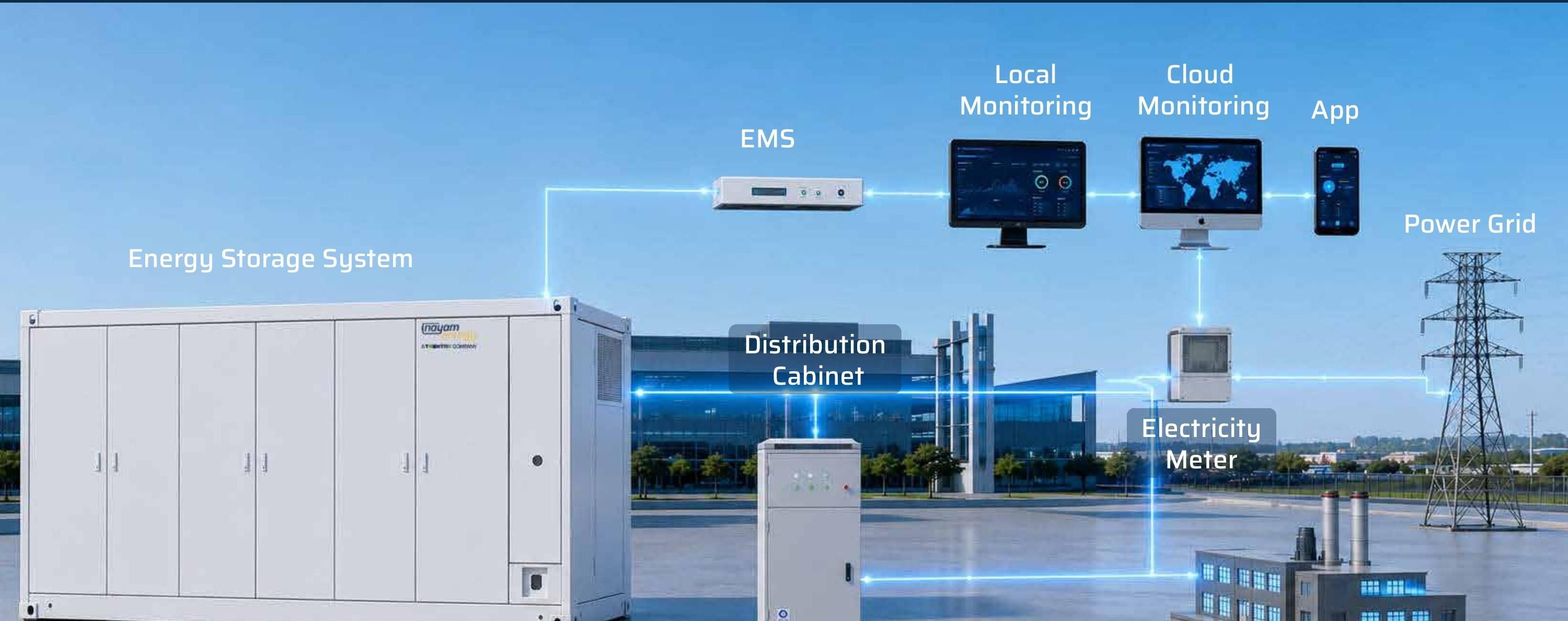
Modular architecture grows from single cabinets to multi-megawatt sites without redesign.
The EMS continuously routes power along the lowest-cost path across grid, solar, and storage.
Solar and other renewables integrate directly, with storage smoothing their variability.
Local and cloud monitoring keep every subsystem observable and reliable in operation.
Technical Parameters
AC-coupled energy storage systems with integrated power conversion, from compact 233 kWh units to 932 kWh blocks.
| Parameter | S900 | S700 | S450 | S200 |
|---|---|---|---|---|
| Nominal Capacity | 932 kWh | 699 kWh | 466 kWh | 233 kWh |
| Usable Capacity (95% DoD) | 885 kWh | 664 kWh | 442 kWh | 221.35 kWh |
| Rated AC Power | 500 kW | 375 kW | 250 kW | 125 kW |
| Output AC Voltage | 480 VAC | 480 VAC | 480 VAC | 480 VAC |
| PV Input Voltage | - | - | - | 200-950 VDC |
| Environmental Protection | IP54 | IP54 | IP54 | IP54 |
| Cooling Method | Liquid | Liquid | Liquid | Liquid |
| Cell Chemistry | LFP | LFP | LFP | LFP |
| Warranty | 10 years | 10 years | 10 years | 10 years |
Certified to UL 9540, UL 1973, UL 9540A, UN 38.3, NFPA 69, and NFPA 855. Note: High-level specs only; inquire for detailed specifications. Bespoke/tailored packages available; written quotation on request.
Utility-Scale
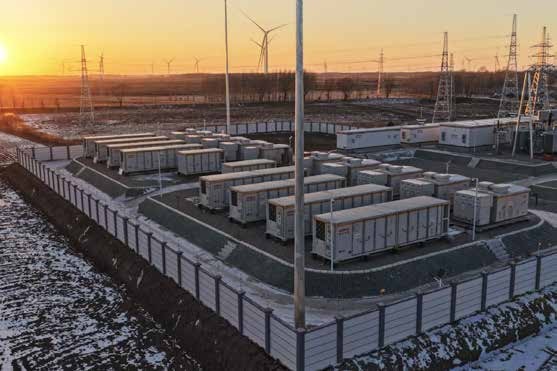
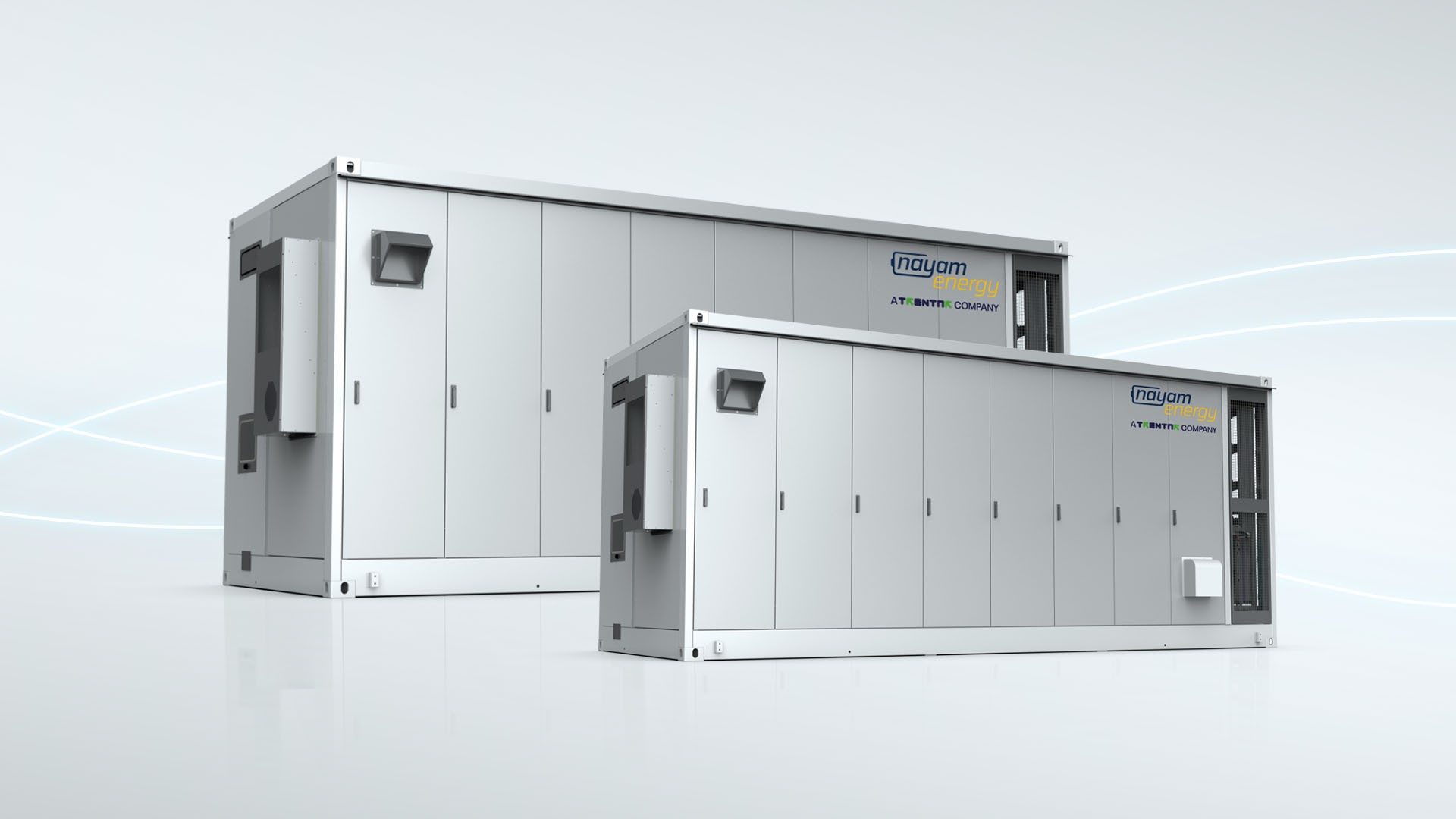
Containerized systems up to 5 MWh per unit with liquid cooling, advanced grid-forming controls, and customizable fire protection for battery packs and clusters. Built for grid support, renewable integration, and long-term infrastructure readiness.
Certified to UL 9540, UL 1973, UL 9540A, UN 38.3, NFPA 69, and NFPA 855, with warranties extendable up to 20 years.
Technical Parameters
| Parameter | 5 MWh (1C) | 4.12 MWh (0.5C) | 3.9 MWh (1C) |
|---|---|---|---|
| Rated Voltage | DC 1331.2 V | DC 1228.8 V | DC 1228.8 V |
| Voltage Range (VDC) | 1164.8-1497.6 | 1075.2-1401.6 | 1075.2-1401.6 |
| Configuration | 12P384S (314 Ah) | 12P384S (314 Ah) | 12P384S (314 Ah) |
| Continuous Charge/Discharge | 1C/1C | 0.5C/0.5C | 1C/1C |
| Energy Efficiency | ≥90% | ≥94% | ≥92% |
| Cooling Method | Liquid Cooling | Liquid Cooling | Liquid Cooling |
| IP Rating | IP54 | IP55 | IP55 |
| Operating Temperature | -20 to 50°C | -20 to 40°C | -20 to 40°C |
| Switch-Over Response Time | 80 ms | 80 ms | 80 ms |
| Weight | 50 t | ≤37 t | ≤37 t |
Note: High-level specs only; inquire for detailed specifications. Bespoke/tailored packages available; written quotation on request.
Technical Parameters
DC-coupled storage blocks with liquid cooling, designed for pairing with central power conversion at grid scale.
| Parameter | S4000 | P7000 |
|---|---|---|
| Dischargeable Energy | 4.07 MWh | 7 MWh |
| Rated DC Power | 2 MW | 3.4 MW |
| Output Voltage Range | 1,164-1,498 VDC | 1,164-1,500 VDC |
| Auxiliary Power | 30 kW max | 30 kW max |
| Auxiliary Input Voltage | 480 V 3P | 480 V 3P |
| Ingress Protection | IP55 | IP66 |
| Cooling Method | Liquid | Liquid |
| Cell Chemistry | LFP | LFP |
| Operating Temperature | -30 to 50°C | -20 to 50°C |
| Warranty | 5 yrs std, ext. to 20 yrs | 5 yrs std, ext. to 20 yrs |
Certified to UL 9540, UL 1973, UL 9540A, UN 38.3, NFPA 69, and NFPA 855. Note: High-level specs only; inquire for detailed specifications. Bespoke/tailored packages available; written quotation on request.
Brochure
Data sheets
Hybrid Power
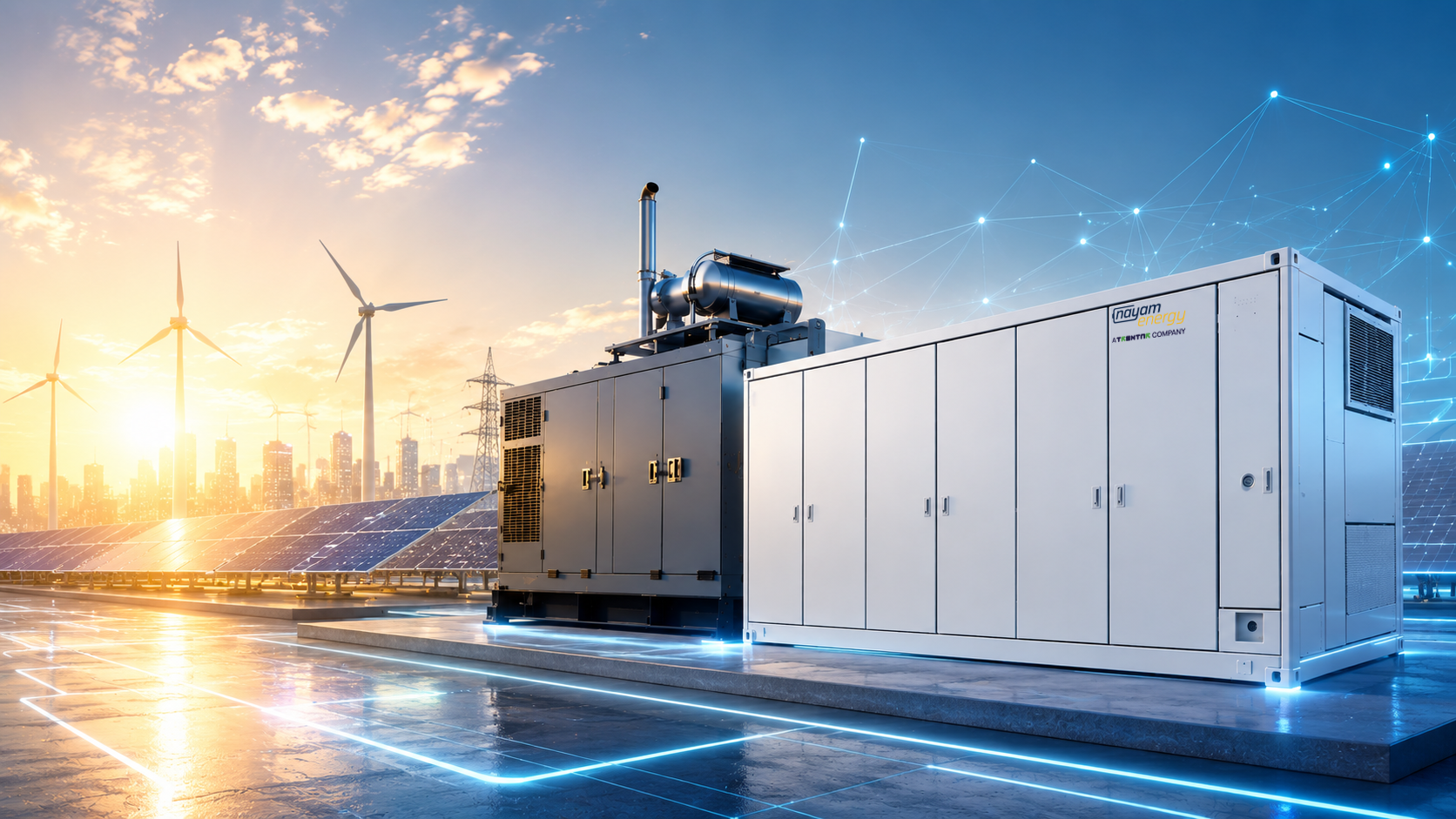
Diesel generators provide critical backup but operate with crippling financial and environmental inefficiencies: diesel power costs can exceed ₹25-40 per kWh, and peak loads force the oversizing of expensive generator assets. Hybridization transforms the DG from a continuously running liability into an optimized backup system.
The battery acts as a shock absorber for the entire power system: it absorbs transient peaks instantly, so the generator runs only in its optimal efficiency band. The result: lower fuel burn, longer DG lifetime, better power quality, and faster response during outages.
How it works
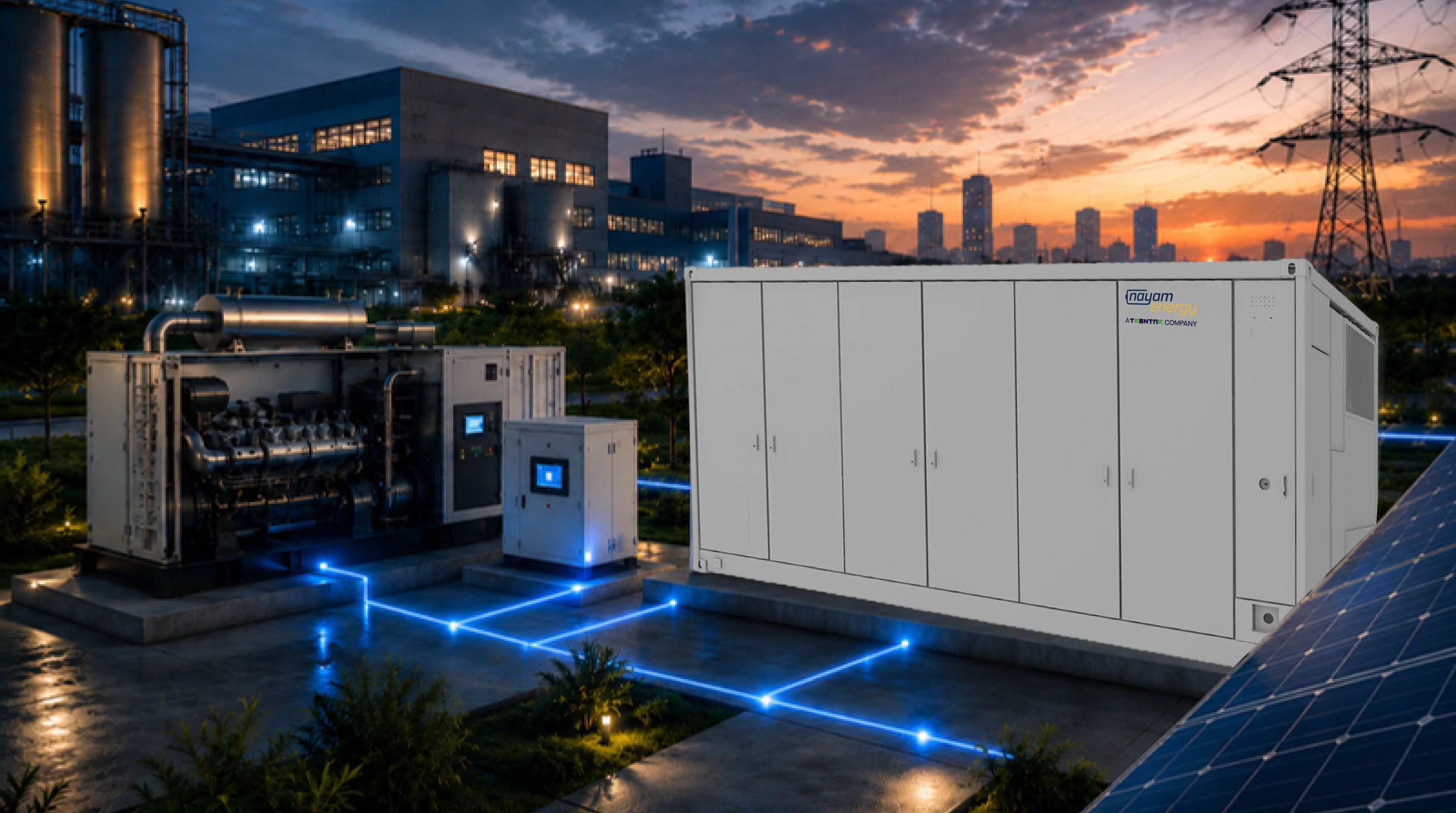
Nayam's hybrid architecture places the battery between your power sources and loads, so the diesel generator runs only in its optimal efficiency band.
The battery absorbs transient peaks instantly. The DG operates only in its optimal efficiency band, optimizing runtime and fuel consumption.
The battery acts as a shock absorber for the entire power system, shielding the DG from damaging low-load and highly variable demand.
Energy Management
Our intelligent Energy Management System continuously shifts between four modes to secure the lowest-cost power path, automatically selecting the most efficient operating mode.
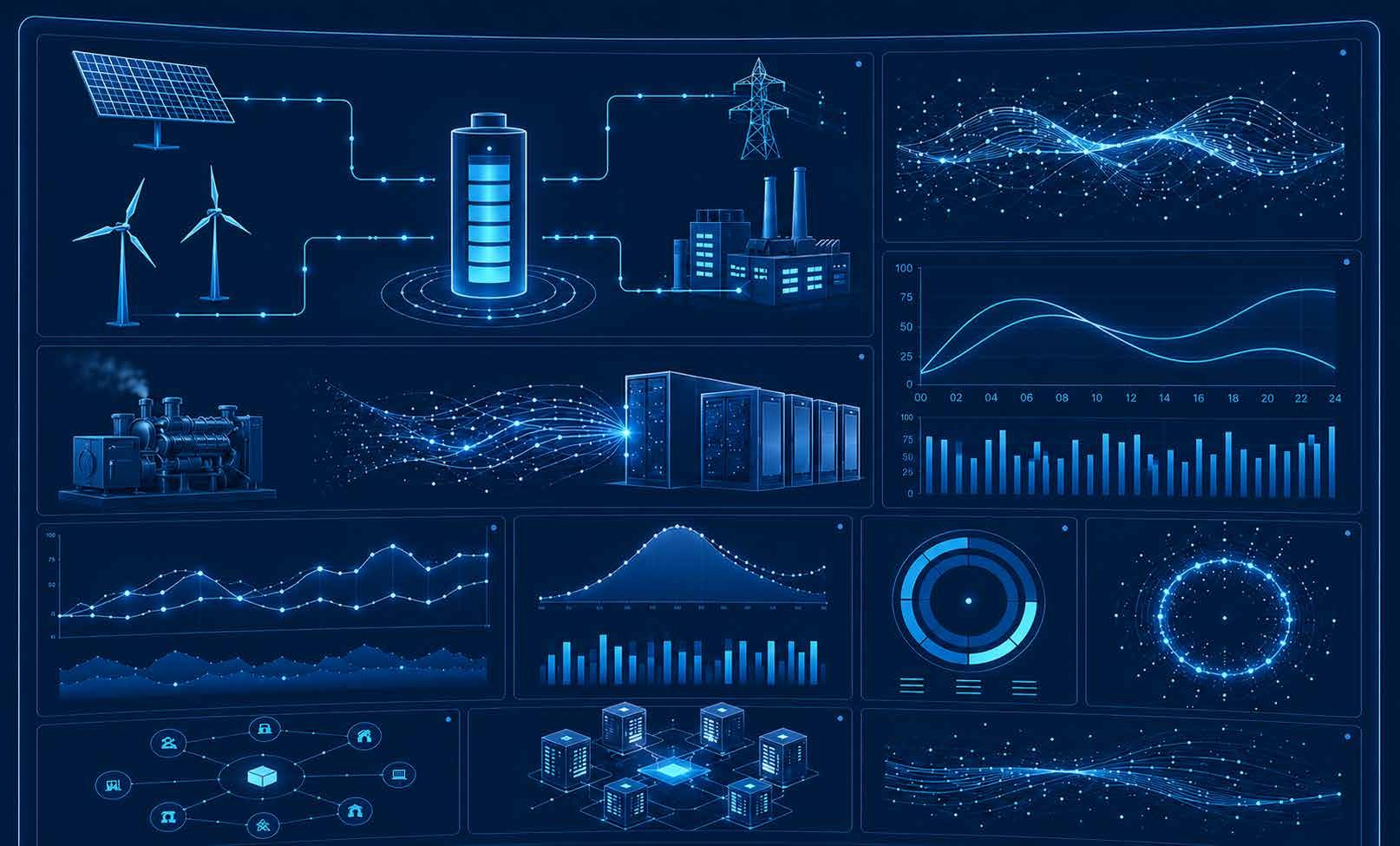
Battery delivers instantaneous power during DG startup or failure.
Solar powers loads and charges the BESS during the day. The DG remains off.
BESS independently supplies low-load demand, eliminating inefficient overnight DG runtime.
Battery covers sudden demand spikes, eliminating DG overload risk and reducing sizing requirements.
The diesel problem
Conventional generators are sized for rare peak demand but spend most of their service life in a costly, inefficient low-load zone.
Indicative trend based on typical commercial generator operation. The 0-30% low-load zone is where fuel efficiency drops and maintenance, carbon build-up, noise and emissions rise.
Comparison
| Metric | Standard DG | Hybrid BESS DG |
|---|---|---|
| DG Runtime | 100% | 30-60% |
| Operating State | Continuous, vulnerable to low-load damage | Intermittent, optimized for peak efficiency |
| Power Quality | Variable with load spikes | Stable, instant millisecond response |
| Maintenance | High frequency, extensive wear | Dramatically lowered, extended generator lifespan |
| Noise & Emissions | High impact, regulatory risk | Minimized footprint, improved ESG |
Hybrid Economics
Hybridization drastically reduces operational friction across all core performance metrics, without replacing your existing infrastructure.
Reduced fuel burn while improving uptime and power quality
Estimated payback period in a typical C&I hybrid deployment
Generator runs only in its optimal efficiency band instead of continuously
Sodium-Ion
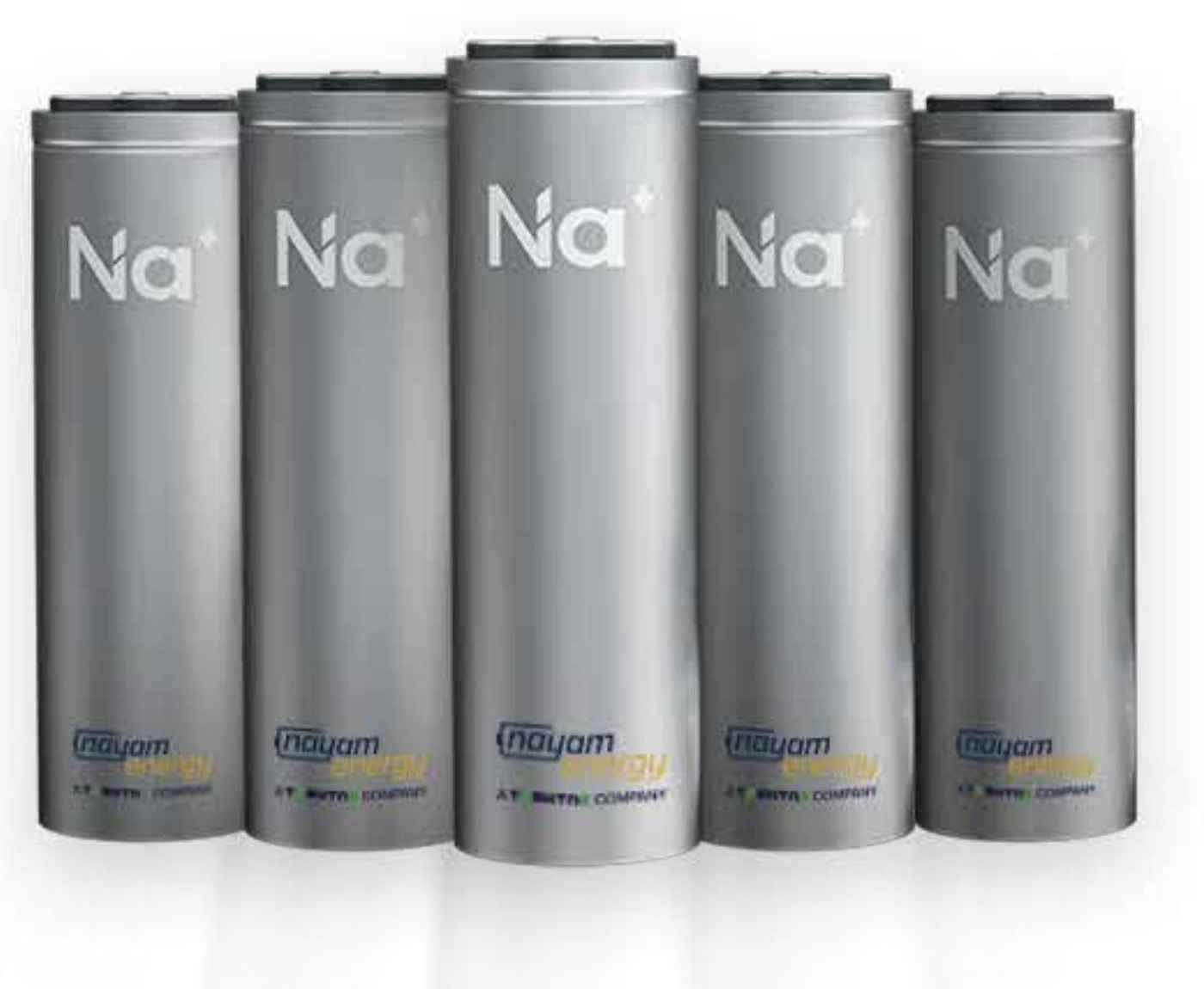
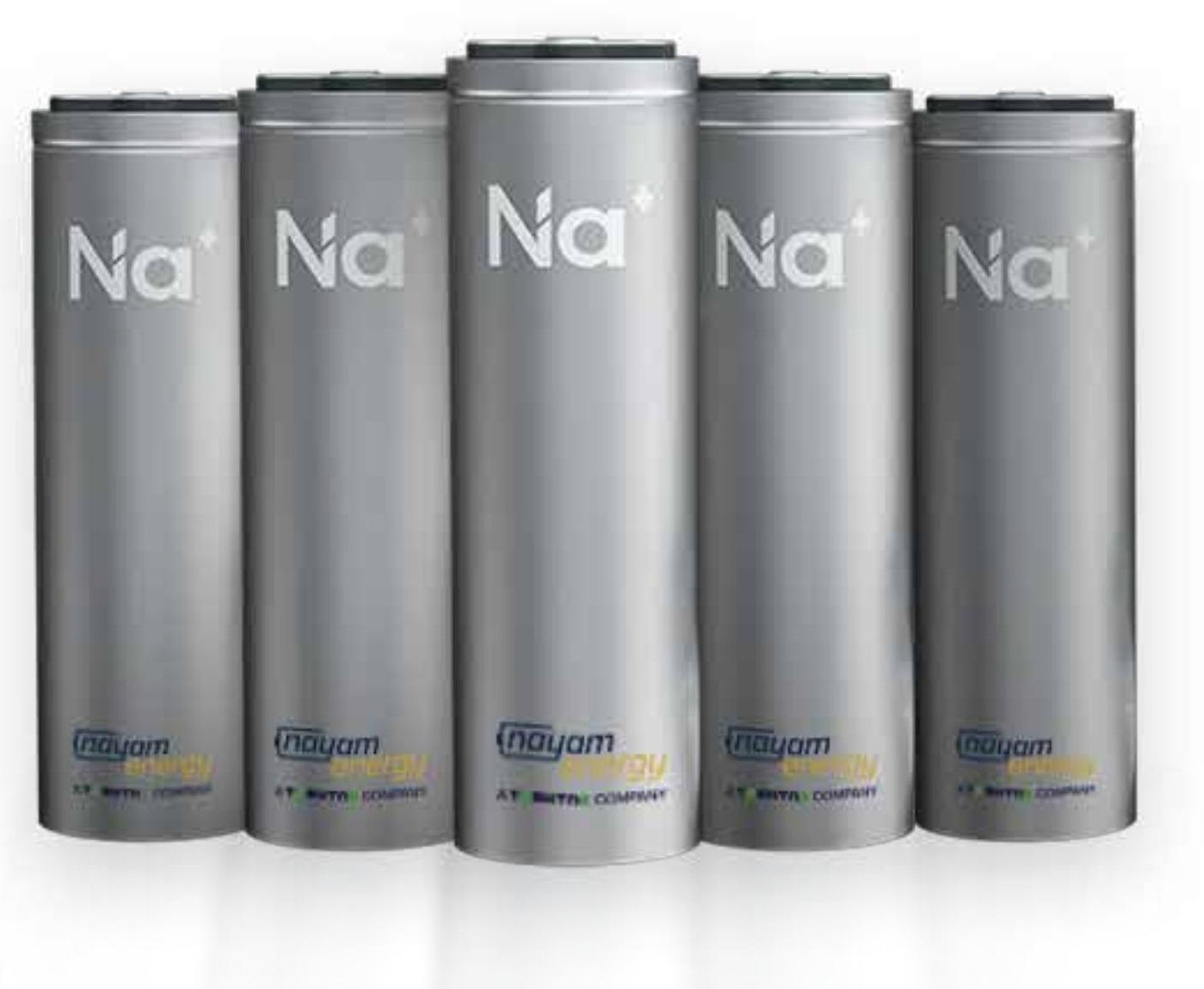
Safe. Lightweight. High-performance. We build sodium-ion battery solutions engineered for modern mobility platforms, telecom infrastructure, UPS systems, and material handling: from automotive start-stop batteries to 48V telecom racks, forklifts, and golf carts.
Sodium-ion combines abundant raw material availability, strong low-temperature performance down to -40°C, multiple safety protections, and a long cycle life at full depth of discharge.
Industries
Energy infrastructure must perform consistently under demanding operating conditions. Our systems are engineered to support deployment across:
Stable power for production lines where interruptions directly impact output.
Uninterrupted supply for critical care and medical infrastructure.
Quiet, low-emission backup for guest comfort and operations.
Peak-demand management and reliable power for tenants.
Millisecond-level response for facilities that cannot tolerate outages.
Resilient backup for towers and network infrastructure.
Continuous operations across high-throughput logistics sites.
Dependable energy for campus facilities and research.
Process
Backed by an experienced team and a long-term performance guarantee.
We evaluate your site conditions, infrastructure, and energy profile.
Load patterns determine the optimal system size, no oversizing.
Systems are manufactured, assembled, and delivered to site.
Rapid, non-disruptive integration with your existing infrastructure.
Remote monitoring, analytics, and lifecycle service support.
Track Record
Liquid cooling with 0.5C continuous charge/discharge.
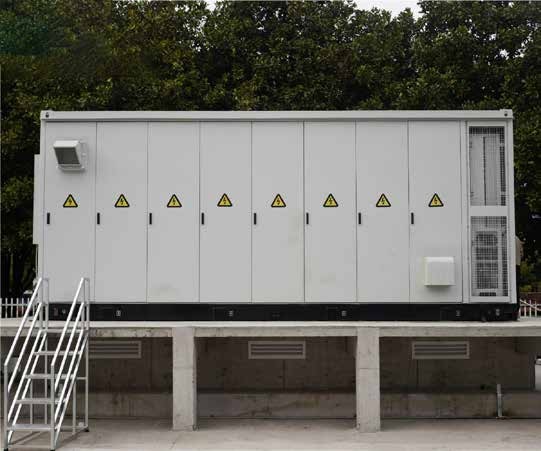
1C continuous charge/discharge with 2x 2.5 MW PCS configuration.
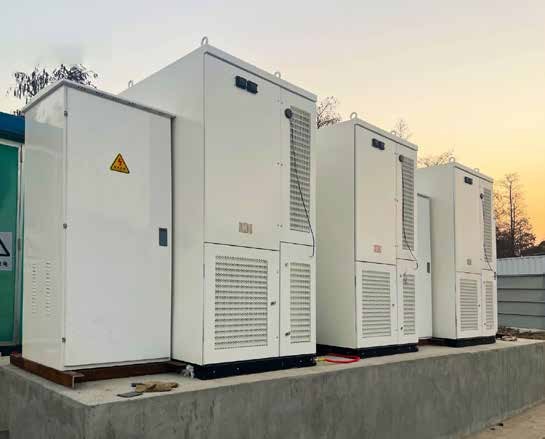
1C continuous operation on high-rate LFP blade cells.
Performance
Seamless transition keeps critical loads online during grid events.
Round-trip efficiency of up to 94% in utility-scale systems.
C&I cabinet solutions deliver up to 8,500 cycles at 0.5C operation.